

Electrical osteopathy table
Category
Range
Made to measure
Options
Flexion
Elevation
Distraction
Drops
Headrest
Axial rotation
Width
Food
Choose the most suitable table to suit your needs and configure its various options to customise it.
-
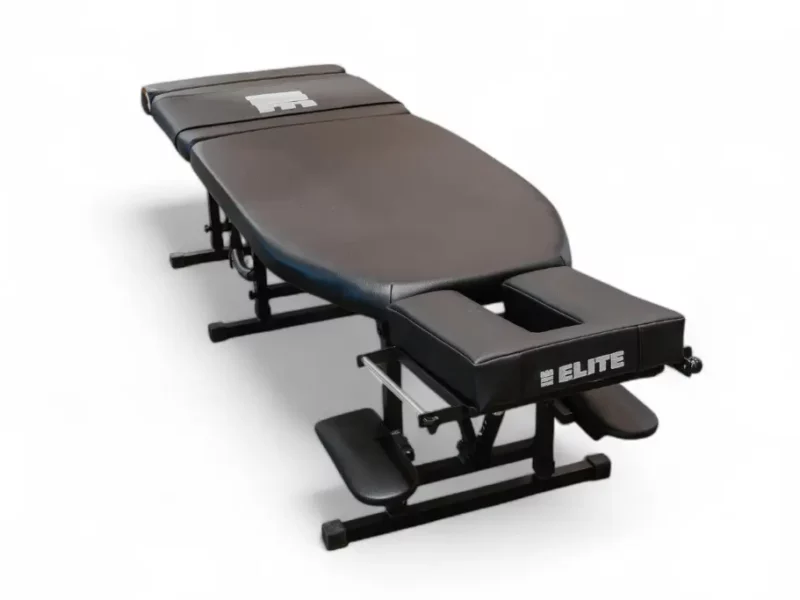
ELITE Portable Table
650.00 $ Add to basket -
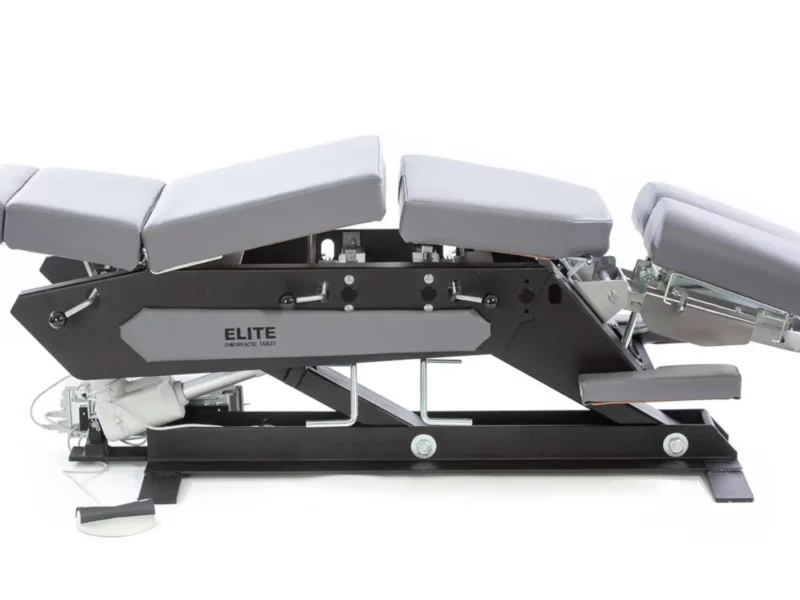
ELITE Electric Elevation Table
3,520.00 $ Add to basket -
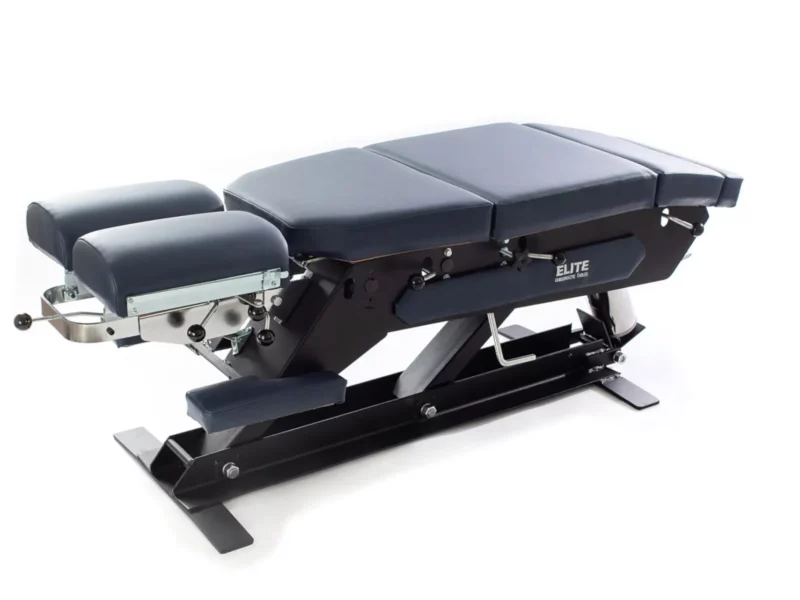
ELITE Pump Control Elevation Table
3,135.00 $ Add to basket -
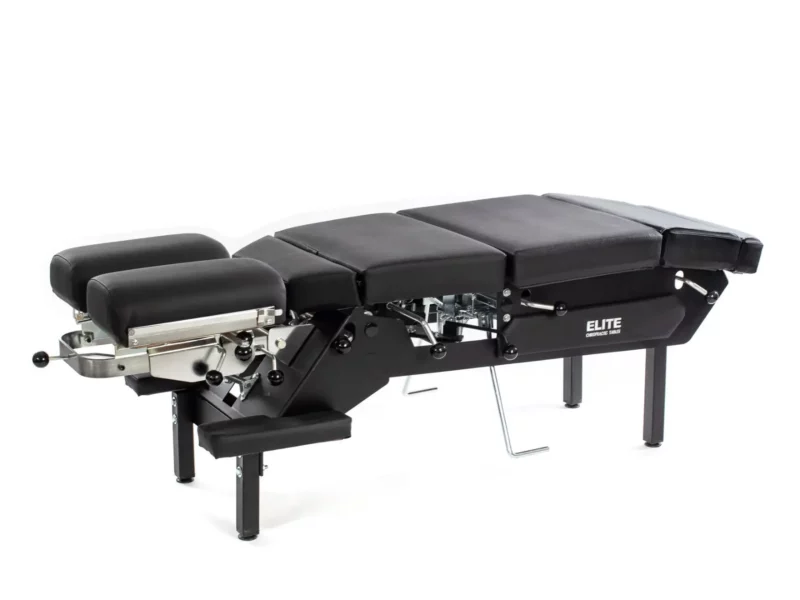
ELITE Stationary Table
2,370.00 $ Add to basket -
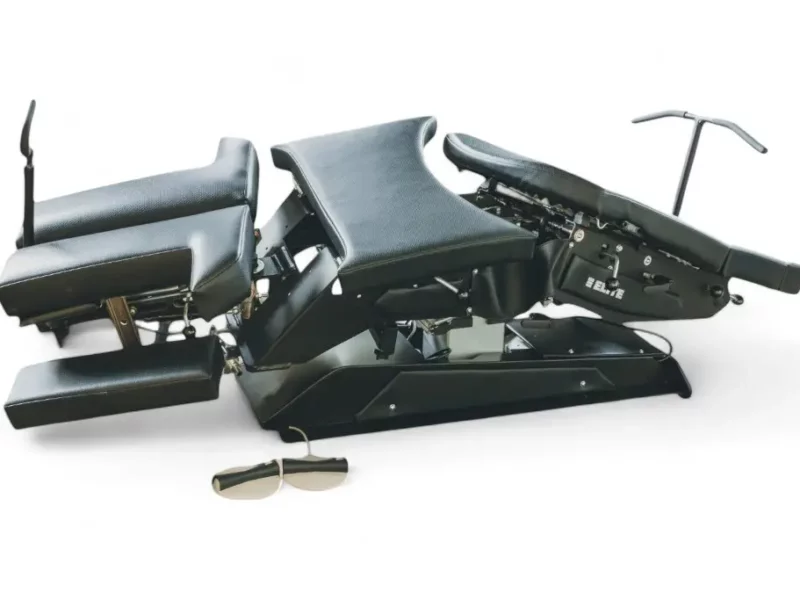
ELITE Motion Series Table
4,500.00 $ Add to basket -
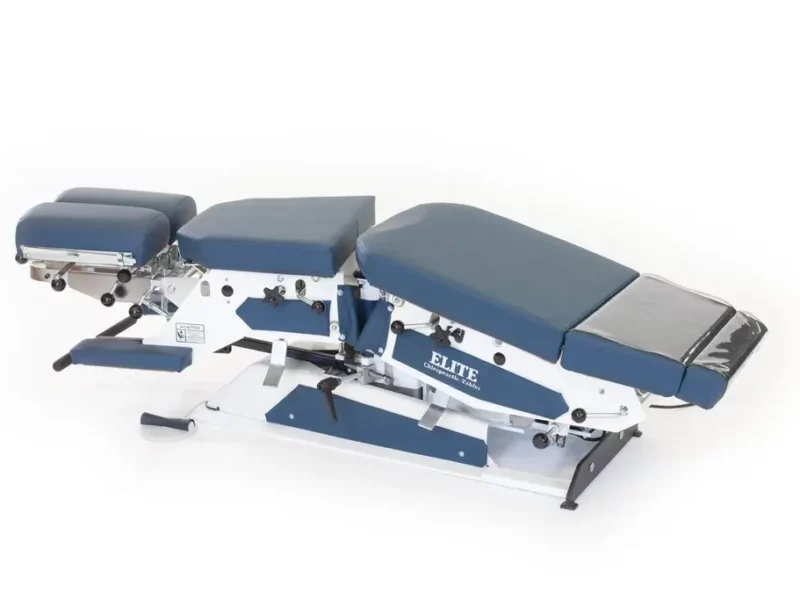
ELITE Automatic Flexion Table
4,725.00 $ Add to basket -
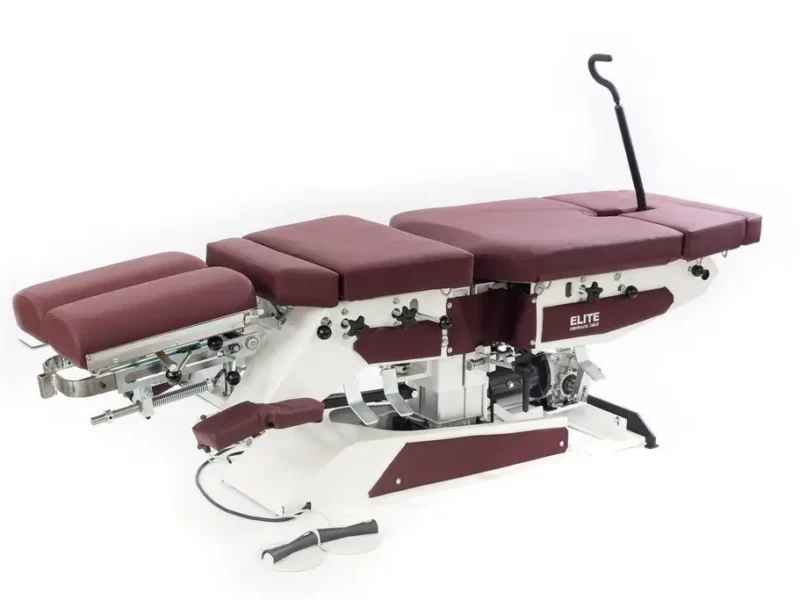
ELITE Automatic and Manual Flexion Table
5,855.00 $ Add to basket -
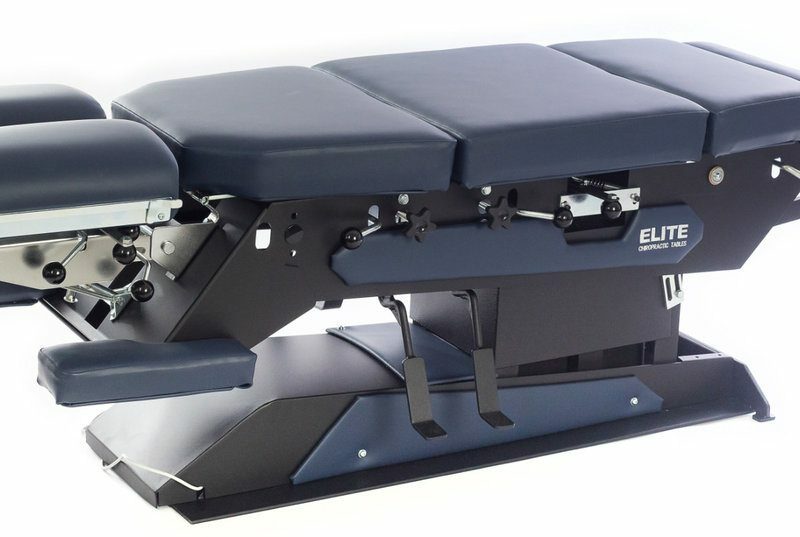
ELITE High-Low Elevation Table
6,230.00 $ Add to basket -
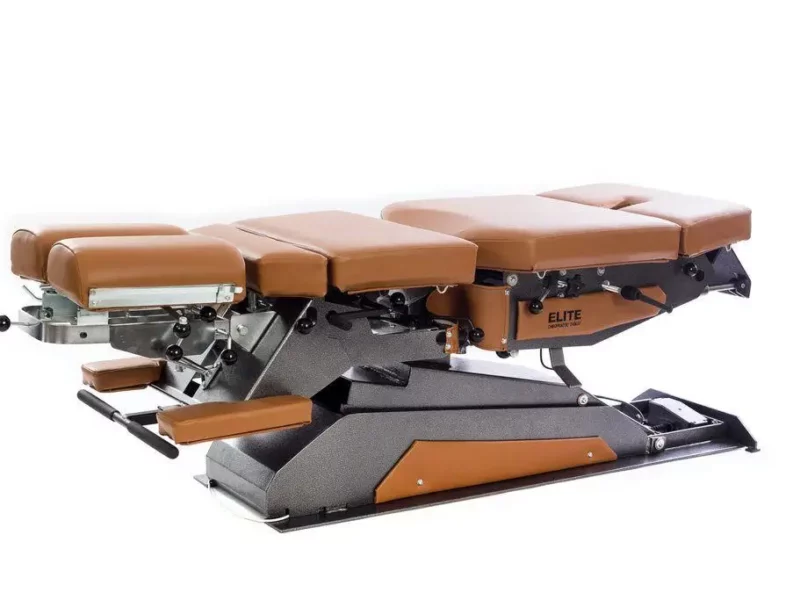
ELITE High-Low Manual Flexion Table
7,860.00 $ Add to basket -
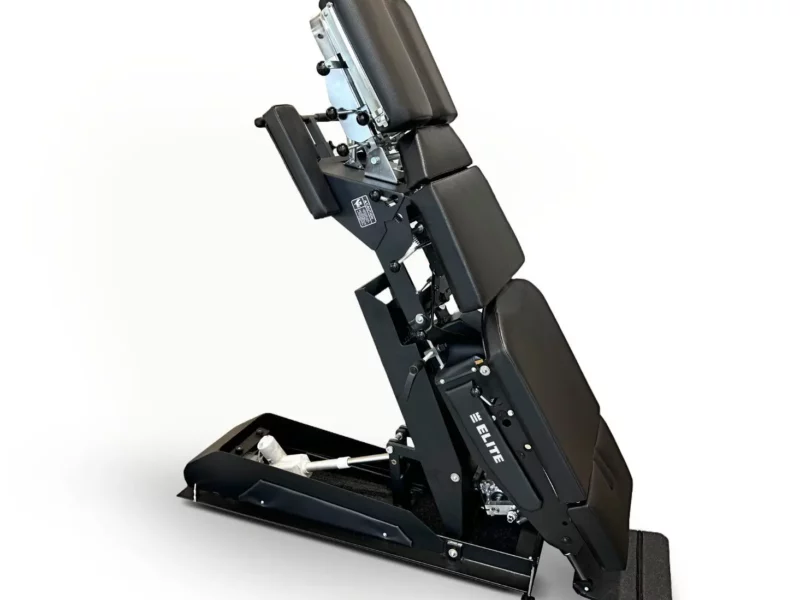
ELITE High-Low Automatic Flexion Table
Select options This product has multiple variants. The options may be chosen on the product page -
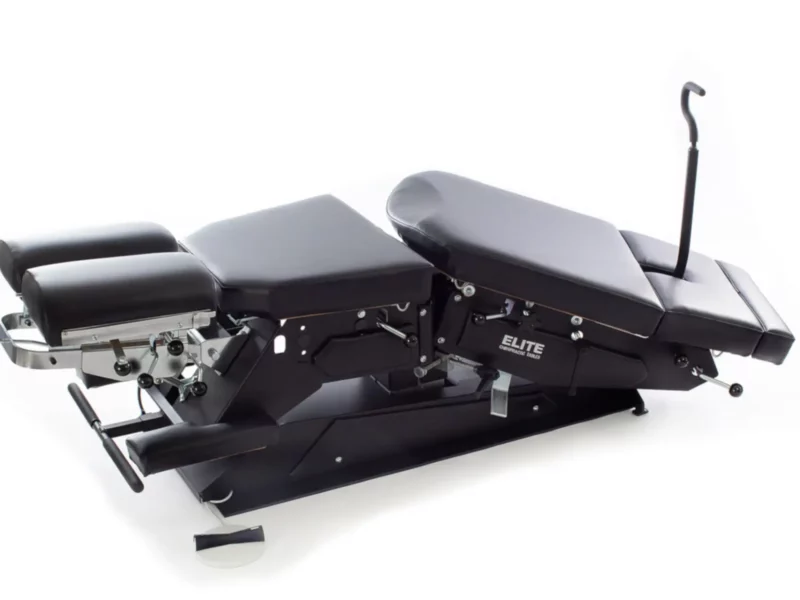
ELITE Manual Flexion Table
3,330.00 $ Add to basket -
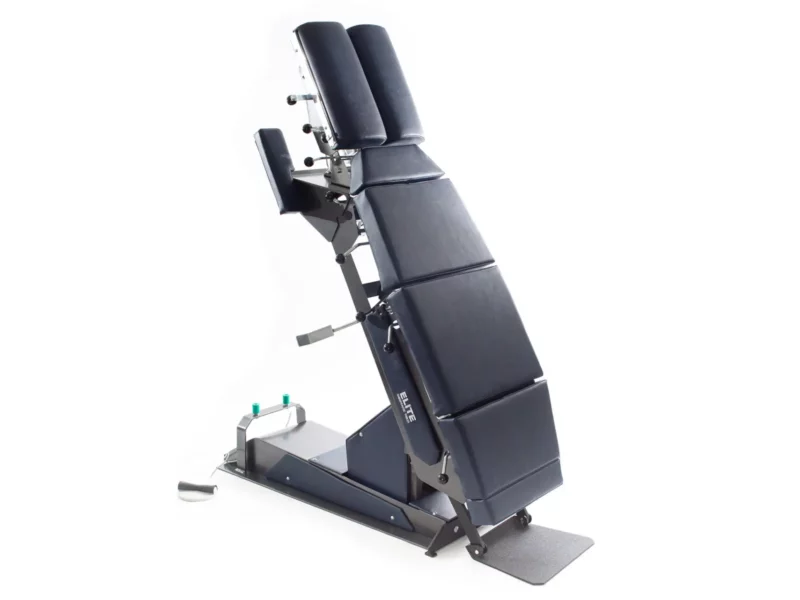
ELITE High Low Table
4,505.00 $ Add to basket -
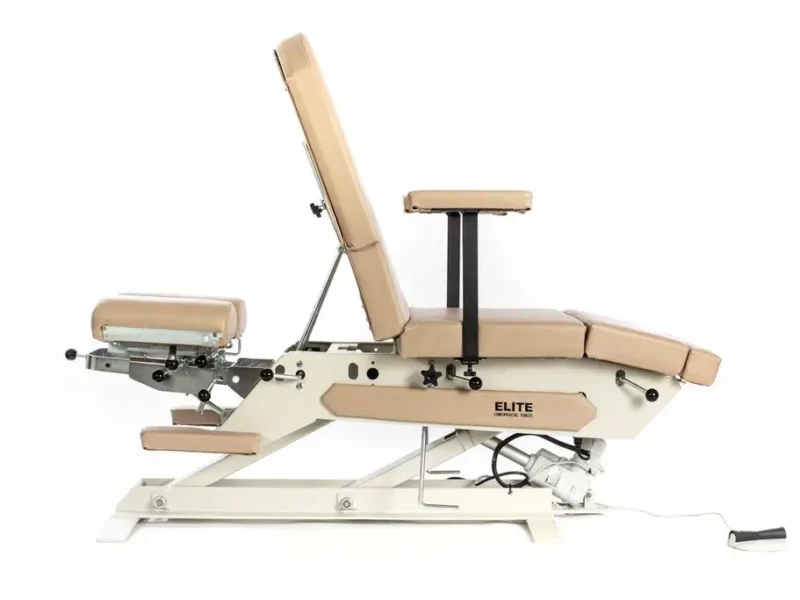
ELITE Hybrid Adjusting Table
2,900.00 $ Add to basket -
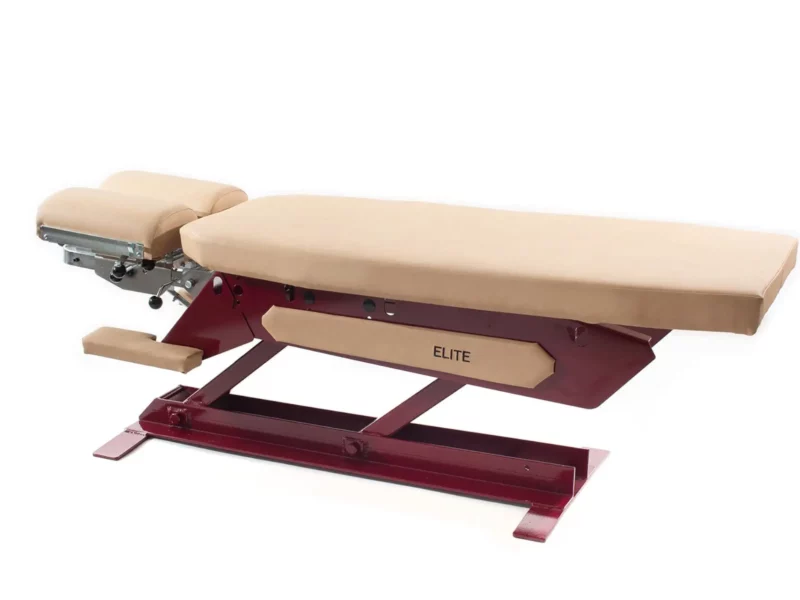
ELITE Exam Table
2,500.00 $ Add to basket -
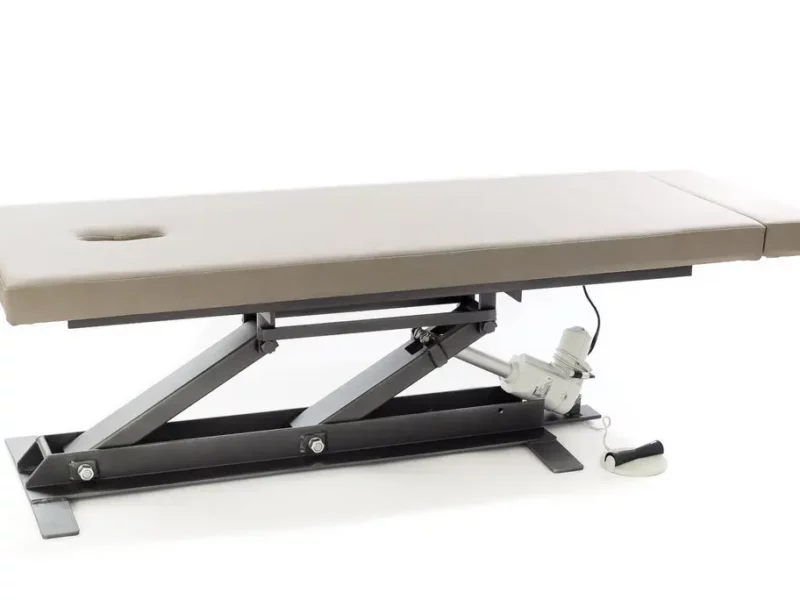
ELITE Therapy/Exam Table
1,845.00 $ Add to basket -
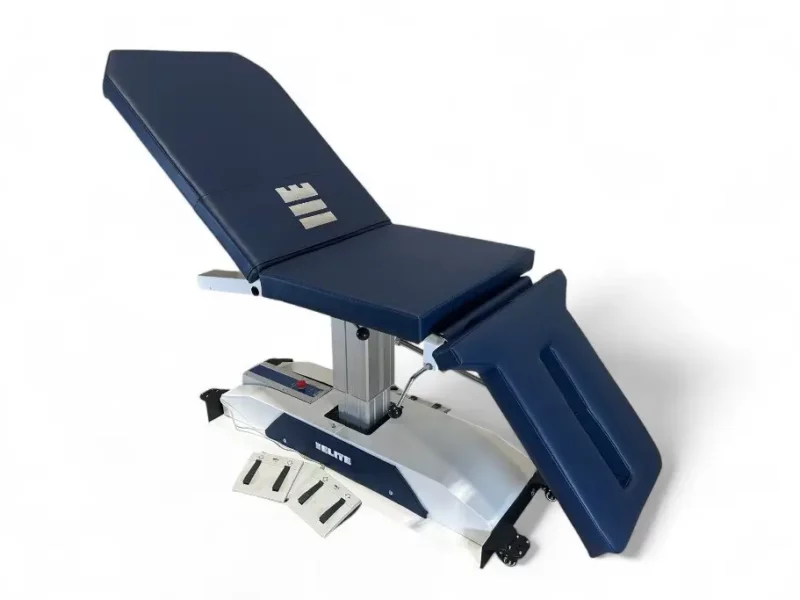
ELITE PT Series Table
1,650.00 $ Add to basket -
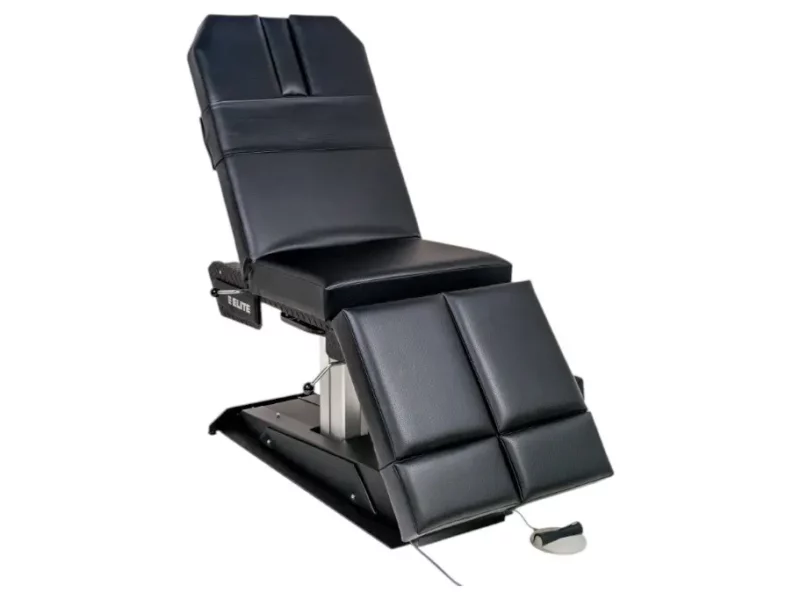
ELITE Universal Table
1,750.00 $ Add to basket -
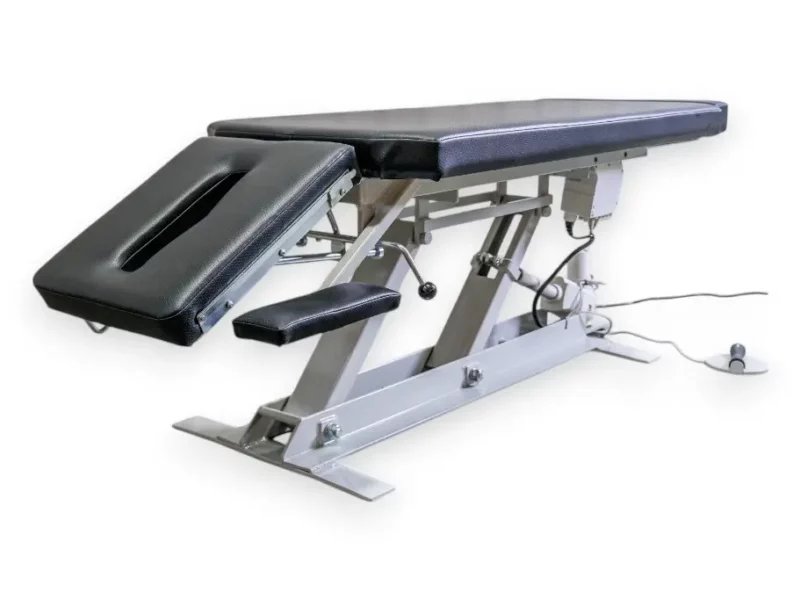
ELITE TET-HA Table
1,600.00 $ Add to basket -
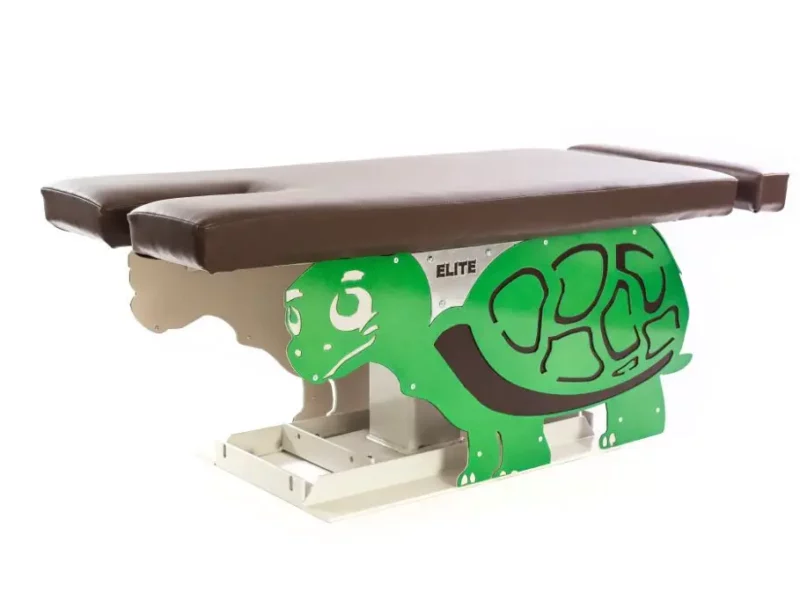
ELITE Children's Table
1,950.00 $ Add to basket
Explore our other categories
How do you choose the right electric osteopathy table?
Choose a electric osteopathic table is an important decision when equipping an osteopathy, physiotherapy or manual therapy practice. This treatment equipment supports the practitioner in their day-to-day consultations, whilst contributing to patient comfort and ergonomic working conditions.
On Tableinmotion.eu, this category brings together professional models designed for osteopaths, manual therapists and multidisciplinary practices. The aim is simple: to help you choose a reliable, durable electrical solution that is suited to your practice, whether it focuses on osteopathy, therapeutic support, pressotherapy or certain complementary treatments.
Why choose an electric osteopathic table for your practice?
An electric osteopathic table allows the working height to be adjusted effortlessly thanks to a built-in motor. For an osteopath, this feature is essential: it enables the treatment table to be quickly adapted to the patient’s body shape, the type of treatment being carried out and the practitioner’s posture.
Unlike fixed equipment, electric adjustment facilitates transitions between the different stages of a consultation. The practitioner can work more comfortably, minimise repetitive physical strain and maintain a more stable posture during manipulations, range-of-motion tests or manual therapy techniques.
For the patient, the adjustable height also improves accessibility. An elderly person, someone who is physically active, in pain or with reduced mobility can settle into the chair more easily when it lowers sufficiently. In a modern practice, this feature enhances the professional image of the practice and contributes to a smoother treatment experience.
This type of medical furniture also fits in very well within a multidisciplinary setting. It can be suitable for use in osteopathy, physiotherapy, certain forms of rehabilitation, pressotherapy, occupational therapy or complementary treatments such as cryotherapy or thermotherapy, depending on how the practice is organised.
Key criteria for choosing the right electric osteopathy table
Before purchasing professional equipment, there are several factors to consider. An electric osteopathic table should not be chosen solely on the basis of its appearance or price. It must be suited to the practical realities of your practice, the number of consultations you carry out and the space available in your practice.
The first point to consider is the range of electric adjustment. The wider the height range, the more the practitioner can adapt their working position. A model that lowers sufficiently makes it easier for the patient to settle into position, whilst sufficient height allows the osteopath to work standing up without having to bend over excessively.
Stability is also crucial. A treatment table designed for osteopathy must remain perfectly stable during mobilisation, changes in position and manual techniques. The structure, the frame, the quality of the materials and the overall design of the model all play a major role here.
Patient comfort depends on several factors: foam density, table width, the quality of the upholstery, support in key contact areas and ease of positioning. Comfortable, easy-to-clean upholstery that is suitable for professional use improves the equipment’s durability in day-to-day use.
Accessibility around the treatment table must also be taken into account. The practitioner must be able to move around easily, position themselves at different angles and access the treatment areas without any hindrance. In small practices, choosing a compact yet sufficiently comfortable model can make a real difference.
Finally, you should plan to purchase compatible accessories at the time of purchase: a stool, a roll holder, positioning cushions, examination sheets, protective covers and a footstool. These items complement a professional set-up and help to create a more functional treatment area.
A solution tailored to osteopaths, physiotherapists and manual therapists
A solution tailored to osteopaths, physiotherapists and manual therapists
The requirements of an osteopath are not always the same as those of a physiotherapist, an occupational therapist or a professional who uses pressotherapy equipment. However, a well-chosen electrical solution can be adapted to a wide range of practices.
In osteopathy, equipment must allow for frequent changes of posture, easy access to the patient and a high degree of stability. Osteopaths generally look for professional furniture capable of withstanding heavy use, with consistent ergonomic design for long or repeated consultations.
In physiotherapy, the height adjustment feature facilitates exercises, mobilisation techniques, assessments and certain stages of rehabilitation. An electric model can also be integrated into a space housing several types of equipment: therapeutic equipment, rehabilitation accessories, and thermotherapy or cryotherapy devices.
For manual therapists, osteopaths and wellness centres, there are also practical benefits. A well-designed professional practice enhances the patient experience, simplifies day-to-day work and conveys a sense of professionalism from the moment patients enter the practice.
Fixed, hydraulic or electric tables: what’s the difference?
A fixed table remains a simple and robust solution. It may be suitable for certain one-off uses or for practices on a tight budget. However, the lack of height adjustment can be a limitation when several practitioners share the same space or when the patient base is diverse.
The hydraulic table allows the height to be adjusted without an electric motor. It usually operates via a pump or foot pedal system. This option can be a worthwhile compromise, but it often requires more repetitive physical effort on the part of the practitioner.
The electric table, meanwhile, stands out for its ease of use. The motorised adjustment allows the height to be adjusted quickly, more smoothly and with less effort. For long-term use, particularly in a busy osteopathic practice, the professional motorised model offers a real improvement in ergonomics.
The folding table meets another need: portability. It is useful for travelling, outdoor work or one-off consultations. However, for a permanent practice, an electric model generally offers greater stability, comfort and durability.
The right choice therefore depends on your actual needs: frequency of appointments, available space, type of patient base, number of practitioners, budget and expected level of comfort.
Fixed, electric or folding tables: what are the differences?
A fixed table is ideal for established practices looking for a robust, stable and easy-to-use solution. It is suitable for professionals who have a permanent space and want durable equipment.
An electric version offers greater ease of use. The height adjustment makes it easier to position the patient and allows the practitioner to adjust their posture during the session. It is particularly suitable for intensive use.
A folding version is more suited to mobile practitioners or one-off consultations. It must be chosen with care, as stability remains essential for manual therapy.
The right choice therefore depends on your space, how often you use it, your patient base and the disciplines practised.
Accessories and additional furniture for an osteopathy practice
A high-performance table is not always enough to create a fully-fledged working environment. Complementary furniture plays an important role in the organisation of the practice and in the quality of care as perceived by the patient.
The practitioner’s stool enables the practitioner to work whilst seated in comfort, particularly when carrying out certain tests, observations or precise manual techniques. It must be stable, adjustable and easy to move around the consultation area.
The roll holder is a simple but essential accessory for keeping examination sheets within easy reach. It promotes hygiene, speeds up preparation between patients and helps ensure a professional approach to patient care.
Positioning cushions can help to position the patient appropriately for the consultation. They enable certain resting or examination positions to be adjusted, without aiming to achieve any specific therapeutic effect.
Protective covers, examination sheets, footrests and other ancillary equipment also contribute to the durability of medical furniture. They help to protect the upholstery, simplify maintenance and ensure the furniture retains a neat appearance over time.
For an osteopathy, physiotherapy or occupational therapy practice, it is therefore important to consider the layout as a whole: key equipment, accessories, circulation, hygiene, storage and user comfort.
Buy a professional electric osteopathic table
Purchasing an electric osteopathic table is a key investment for a practice. It is not merely a piece of medical furniture, but a tool used every day in direct contact with patients.
At Tableinmotion.eu, our aim is to guide you through this decision-making process with a professional and clear approach. Depending on your line of business, your specialism, the size of your practice and your operational requirements, certain models will be more suitable than others.
An osteopath working on their own will not necessarily have the same requirements as a multidisciplinary practice with several practitioners. A space dedicated to osteopathy alone, physiotherapy, pressotherapy or complementary therapies may require different layouts.
Before placing an order, it is advisable to compare models and assess their dimensions, minimum and maximum height, width, upholstery, accessories and installation requirements. Requesting a quote will enable you to receive a tailored proposal and confirm the options best suited to your needs.
See all our products
Our tables are made to measure and can be adapted to suit every need and all professions, whether you are a chiropractor, physiotherapist, doctor or tattoo artist.
 Français
  English (UK)
  Deutsch
  Nederlands (België)
  Español
  Italiano